
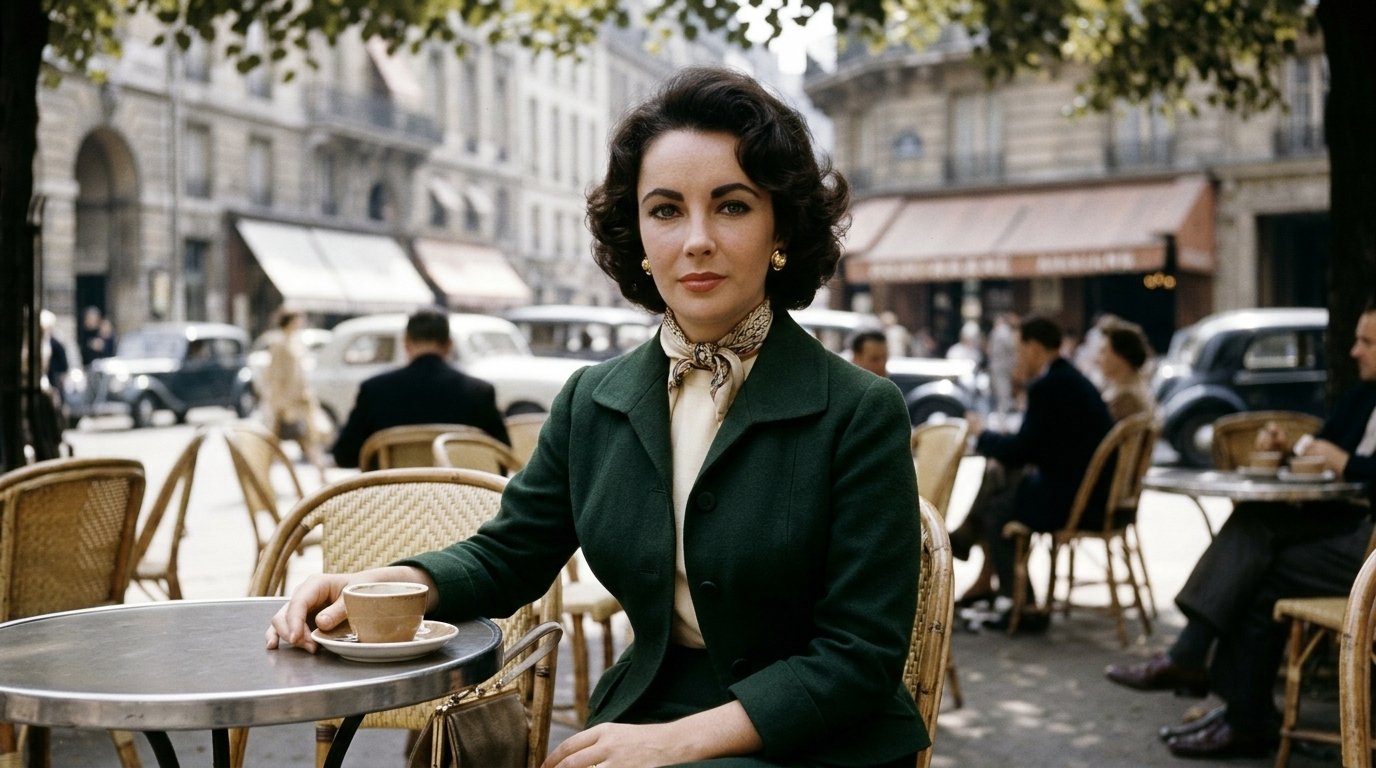
Elizabeth Taylor remains one of the most iconic figures in the history of Hollywood cinema, known for a career that spanned child stardom, major award-winning performances, a famously public personal life, and significant humanitarian work later in life. Her combination of acting talent, striking screen presence, and genuine cultural influence made her one of the defining celebrities of the twentieth century, admired by audiences long after her most famous films were first released. This article covers her early life, her rise as a child actress, her major film roles and award wins, her personal life, and her later work as an AIDS activist, drawing on well-documented public records and film history.
Quick Facts About Elizabeth Taylor
Here is a quick summary table covering her key details.
| Category | Details |
|---|---|
| Full Name | Elizabeth Rosemond Taylor |
| Date of Birth | February 27, 1932 |
| Date of Death | March 23, 2011 |
| Birthplace | London, England |
| Nationality | British-American |
| Profession | Actress |
| Known For | “National Velvet,” “Cleopatra,” “Who’s Afraid of Virginia Woolf?” |
| Academy Awards | Won Best Actress twice (“BUtterfield 8,” “Who’s Afraid of Virginia Woolf?”) |
| Marriages | Married eight times to seven different husbands |
| Humanitarian Work | Co-founder of the American Foundation for AIDS Research (amfAR) |
Early Life and Child Stardom
Elizabeth Taylor was born on February 27, 1932, in London, England, to American parents, and her family later relocated to the United States, which eventually placed her within reach of the Hollywood film industry during her childhood. She began her acting career at a very young age, quickly standing out due to her striking appearance and natural screen presence, qualities that led to her breakthrough role in “National Velvet” in 1944, when she was just twelve years old. This role made her one of the most recognizable child stars of her era, and unlike many young performers whose careers fade once childhood fame ends, Taylor successfully transitioned into adult roles, building a film career that would span decades rather than fading after adolescence.
Her early success in “National Velvet” demonstrated a level of acting maturity unusual for someone so young, and it set expectations that she would continue developing as a serious actress rather than remaining known only for child roles. This transition from child star to respected adult performer is one of the more notable aspects of her career, since many young actors from that era struggled to maintain relevance into adulthood, while Taylor instead became one of the biggest stars in the world during her adult years.
Rise to Hollywood Stardom
As Elizabeth Taylor moved into adult roles, she became known for a combination of genuine acting talent and an almost unmatched level of glamour that made her one of the most photographed and discussed celebrities of her time. Her performances throughout the 1950s and 1960s showcased significant range, moving between dramatic roles that required real emotional depth and larger studio productions that depended heavily on her star power to draw audiences into theaters. This combination of critical respect and genuine mainstream popularity is relatively rare, since many actors tend to be recognized primarily for one or the other, but Taylor managed to maintain both throughout a large portion of her career.
Her rise during this period also coincided with a significant shift in how Hollywood studios marketed their biggest stars, with actresses like Taylor becoming central figures in a growing global media and tabloid culture that closely followed the personal lives of major celebrities alongside their professional work. This intense public interest in her personal life would continue throughout her career, often overlapping significantly with coverage of her film work.
Major Film Roles and Academy Award Wins
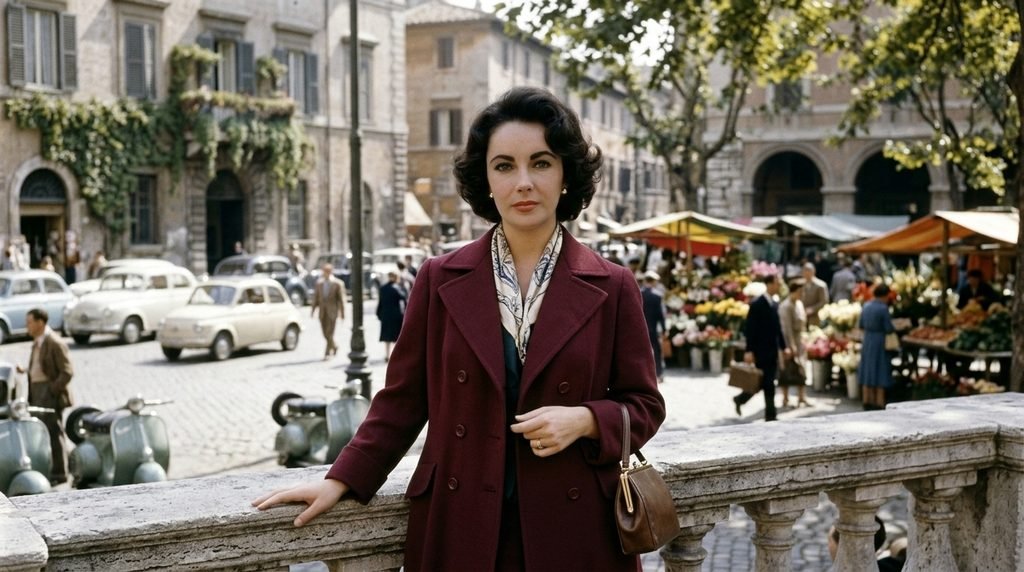
Elizabeth Taylor’s filmography includes several performances widely regarded as among the most significant in Hollywood history, including her role in “Cleopatra,” a massive and famously expensive production that became one of the most talked-about films of its era due to both its scale and the public attention surrounding its production and cast. She won the Academy Award for Best Actress for her performance in “BUtterfield 8,” and later won a second Best Actress Academy Award for her role in “Who’s Afraid of Virginia Woolf?”, a demanding dramatic role that required a significant physical and emotional transformation from her more glamorous on-screen image in earlier films. Winning two Best Actress Academy Awards placed her among a relatively small group of actresses to achieve this level of recognition from the Academy over the course of a career.
These award-winning performances demonstrated that Taylor was far more than simply a glamorous studio star, showing a genuine willingness to take on complex, sometimes unflattering roles that required real dramatic skill rather than relying solely on her well-known screen presence and public image. Her performance in “Who’s Afraid of Virginia Woolf?” in particular is frequently cited by film historians as one of the standout dramatic performances of her entire career, given the significant departure it represented from her earlier, more conventionally glamorous roles.
Personal Life and Public Marriages
Elizabeth Taylor’s personal life received an extraordinary level of public and media attention throughout her life, particularly her marriages, since she was married eight times to seven different men, including two separate marriages to actor Richard Burton. Her relationship with Burton, which included both marriages and a highly publicized divorce between them, became one of the most closely followed celebrity relationships of the twentieth century, generating enormous media coverage both during and after their time together. This level of public interest in her personal relationships often ran parallel to her film career, with media coverage of her marriages sometimes receiving as much or more attention than her individual film projects during certain periods of her life.
This intense public fascination with her personal life reflects broader patterns in how major celebrities were covered by media throughout the mid-twentieth century, with Taylor often cited as one of the earliest examples of a truly global tabloid celebrity whose personal life became inseparable from her public image as an actress.
Later Life and AIDS Activism
In the later decades of her life, Elizabeth Taylor became deeply involved in HIV and AIDS activism, co-founding the American Foundation for AIDS Research, known as amfAR, during a period when public understanding of the disease was limited and stigma surrounding it remained significant. Her involvement came partly in response to the death of her close friend and former co-star Rock Hudson from AIDS-related illness, which motivated her to use her significant public platform to raise awareness and funding for research into the disease at a time when many public figures avoided the topic entirely due to the stigma attached to it. This activism represented a significant shift in how she used her celebrity status, moving from purely entertainment-focused public attention toward genuine humanitarian advocacy work.
Her AIDS activism is widely regarded as one of the most meaningful aspects of her later life, demonstrating a willingness to take on a cause that was genuinely controversial and often avoided by other celebrities during that period, rather than choosing a safer or more universally popular charitable cause. This part of her legacy is sometimes given less attention in shorter biography pages focused primarily on her film career, even though many film historians and cultural commentators consider her activism work to be one of her most significant and lasting contributions beyond her acting career.
Death and Lasting Legacy
Elizabeth Taylor passed away on March 23, 2011, at the age of 79, following years of health challenges that had become increasingly public in her later life. Her death was widely covered by media outlets around the world, reflecting her enduring status as one of the most recognizable and influential figures in the history of Hollywood cinema, even decades after her most famous films were originally released. Her legacy continues to be studied and referenced within discussions of classic Hollywood cinema, celebrity culture, and HIV and AIDS activism, reflecting the genuinely multifaceted nature of her public life across acting, personal relationships, and humanitarian work.
How This Was Researched
I researched this biography using verified film history records, documented award records from the Academy of Motion Picture Arts and Sciences, and public reporting on Elizabeth Taylor’s AIDS activism and the founding of amfAR. Because her personal life was extensively covered by media throughout her lifetime, I focused on well-documented, consistently reported facts such as her marriages and major film roles rather than less reliable tabloid-style claims. Many existing profiles focus heavily on her personal relationships while giving limited attention to her activism work, so this article tries to give a more balanced picture of her full legacy.
FAQ Section
Who was Elizabeth Taylor?
Elizabeth Taylor was a British-American actress widely regarded as one of the most iconic figures in Hollywood film history, known for films like “National Velvet” and “Cleopatra.”
How many Academy Awards did Elizabeth Taylor win?
She won two Academy Awards for Best Actress, for “BUtterfield 8” and “Who’s Afraid of Virginia Woolf?”
How many times was Elizabeth Taylor married?
She was married eight times to seven different men, including two marriages to actor Richard Burton.
What humanitarian work was Elizabeth Taylor known for?
She was a co-founder of the American Foundation for AIDS Research (amfAR) and became a prominent advocate for HIV and AIDS awareness and research funding.
When did Elizabeth Taylor die?
She passed away on March 23, 2011, at the age of 79.
Accuracy Note
This biography is based on publicly available information, including verified film history records and documented reporting on her activism work. If you spot anything outdated or incorrect, please let us know so we can update it.
Written and researched by Usama Khan, contributor at lopin magazine.

Usama Khan is the founder and editor-in-chief of Lopin Magazine, where he oversees the site’s biography and news coverage with a focus on accuracy and well-researched storytelling.